
UNITED METHODIST
FOUNDERS
BUILDERS OF THE FOUNDATION
JOHN WESLEY
(1703 – 1791)
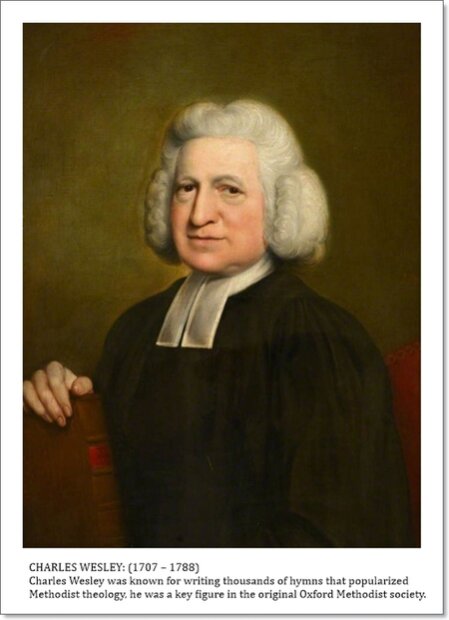
CHARLES WESLEY
(1707 – 1788)
MEM0RIAL DAY
Memorial Day is a time for visiting
cemeteries and memorials to mourn the military personnel who died in the line
of duty. Volunteers will place on the graves of those military personnel in the
US National Cemetery.
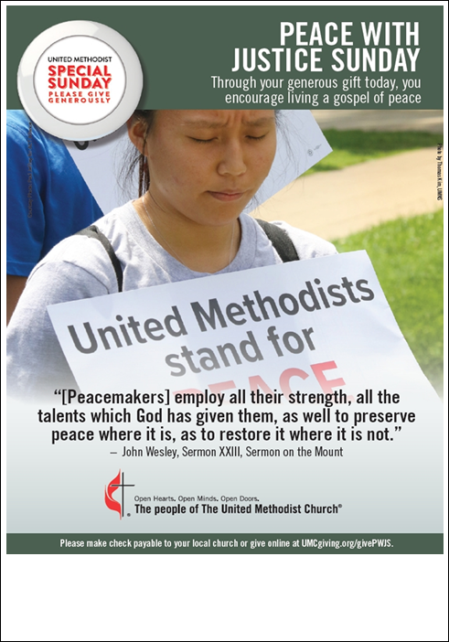
PEACE WITH JUSTICE SUNDAY
Most churches observe Peace with Justice Sunday he first Sunday after Pentecost, but churches can choose another Sunday that works best for their community.
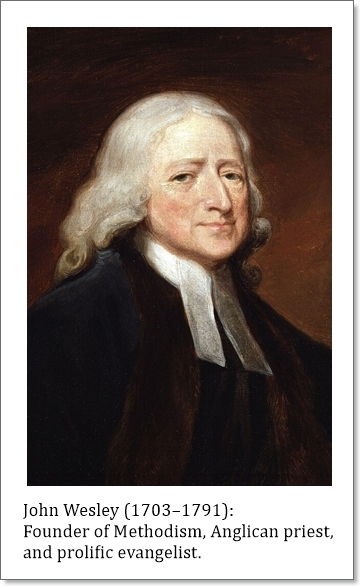

John Wesley was the primary founder and leader. He provided the theological structure and travelling ministry that established the movement, following an intense religious experience in 1738.
Charles Wesley was known for writing thousands of hymns that popularized Methodist theology, he was a key figure in the original Oxford Methodist society. Hymns such as “And Can it Be?” and “O For a Thousand Tongues to Sing,” written by Charles Wesley. These and thousands more came after Wesley’s conversion in 1738. Although well versed in the Bible and Christian practice, Wesley had never understood the doctrine of justification by faith alone, which “put a new song” in his mouth.
SPIRITUAL FOUNDATION
SPIRITUAL FORMATION
HOW TO FOSTER SPIRITUAL DISCIPLINES IN THE CHURCH
By Tricia Brown

“Discipline is the bridge between goals and accomplishment.” — Jim Rohn
If you asked most of the people in your congregation, it is very likely that they would say that they desire to grow closer to Christ. But, if you asked them to outline how they plan on doing that, you would most likely be met with silence. If you want to help your congregants become more Christ-like, help them begin by taking spiritual disciplines more seriously.
Spiritual disciplines are biblical habits that aid in the spiritual growth of a Christian.
According to while God’s grace is not earned, Christians should take part in “means of grace.” Divided into works of piety and charity, practices such as Bible study, prayer and charitable service can help accelerate, fortify and confirm a Christian’s faith. Without these, a person’s faith not only fails to grow but also becomes stagnant and ineffective in the church.
In addition, while there are communal disciplines (those that are meant to be performed in acts of community), there also are many practices that should be performed individually.
Given the importance of spiritual disciplines or practices, how can you encourage your congregation to make them a habitual part of their lives?
PREACH ABOUT SPIRITUAL DISCIPLINES
While it may seem obvious that activities such as Bible study, prayer and corporate worship are important, you cannot assume that all Christians realize the significance of these practices.
Familiarize yourself with Wesley’s ordinances and modern-day examples of each, then preach about them. Use to capture the attention of your audience and help them think creatively in terms of personal Bible studies.
Consider including cultural examples that illustrate the need for Christians to become involved in activities that help seek justice, end oppression and aid the poor.
PRAY WITH AND FOR YOUR CHURCH
Don’t just pray for your church, pray with your church, specifically in an effort to teach the people how to pray.
Many people, including people who regularly attend church, are uncomfortable praying. They think that there is a certain way in which prayers are to be said, certain words that they don’t know, and certain postures that they aren’t sure how to emulate.
Help your congregation by scheduling times in which you all can pray together. Consider scheduling classes or workshops in which groups can explore ways to and help them to pray more often.
PROMOTE OPPORTUNITIES TO PUT DISCIPLINES INTO PRACTICE
Most churches offer several opportunities for congregants to participate in worship and receive the sacraments each week. By visiting nursing homes, on college campuses and in prisons, you may open the doors for the uncommitted or new Christians to find a place in your church.
Many people also may not recognize that charity, generosity and self-sacrifice are actually spiritual disciplines. Promote service projects, such as food and clothing drives, feeding the homeless, and prison relief ministries, and point out that they are ways Christians can not only share love but also grow in their own faith.
Remember, it’s important that your congregants also begin to incorporate these practices into their private lives. Ask your church to participate in special times of individual prayer, Bible study and fasting for spiritual renewal.
PROVIDE RESOURCES FOR YOUR CONGREGATION
Help your church get excited about spiritual disciplines by providing resources. For example, print a list of free internet sites.
Consider offering classes or visual aids that will help Christians learn how to grow their faith. Pass out for your congregation to follow. If you have a church library, make sure that your congregation is aware of those resources.
While spiritual disciplines are as old as the church itself, they are as relevant today as when the church was founded. Help your congregation not only to desire to grow in their spiritual walk but also act to reach that goal.
Help make spiritual disciplines a reality in the corporate life of your church and in the individual lives of your congregants.
Tricia Brown has been a freelance writer and editor for more than twenty years, ghost-writing and editing for individuals as well as for health, education and religious organizations. She enjoys reading, writing and public speaking commitments in which she teaches and encourages other women.
United Methodist Communications is an agency of The United Methodist Church
©2026 United Methodist Communications. All Rights Reserved
What is the purpose of the Season after Epiphany?
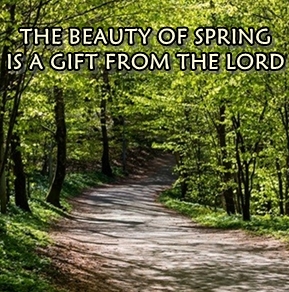
Green is the color for the Season after Epiphany. Readings
during this season offer two distinct paths to follow.
Photo by Susanne Nilsson, Flickr, Creative Commons
The purpose of the Season after Epiphany is to help the whole congregation get ready to accompany candidates preparing for baptism.
The first Sunday focuses on the Baptism of Christ and the last Sunday on the Transfiguration. These “bookend
Sundays” frame the whole of Jesus’ journey in ministry. We start at the very beginning of Jesus’ ministry at his baptism and conclude with a glimpse of its fulfilment in the age to come in his Transfiguration. As it frames Jesus’ journey in ministry, so it also frames the journey of his disciples, then and now.
The scripture readings in the lectionary provide two distinct pathways of focus for this season.
One pathway, marked by the Old Testament and Gospel readings, follows Jesus in his earliest days with his disciples, from their calling to beginning to learn what it means live in his way. These scriptures help the local church to focus outward on inviting others to join them, or “Come and see.” The hope is that some who respond to your congregation’s invitation may choose to “Come and stay” to prepare for baptism.
The other pathway, through Paul’s letters to the church in Corinth, helps focus the church inward. These readings help congregations work on internal issues in their church life so they can walk more effectively with those preparing for baptism when Lent begins.
By either pathway, the church is supported by the scriptures of this season for its mission of making disciples of Jesus Christ for the transformation of the world.
This content was produced by Ask The UMC, ministry of United Methodist Communications is an agency of The United Methodist Church
©2026 United Methodist Communications. All Rights Reserved